


Camping plus a slight cold = 4 great books!
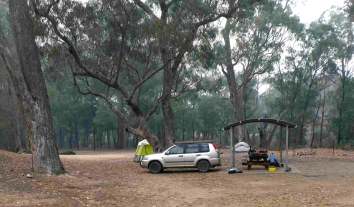
While camping, and relaxing in a hammock (a habit acquired in Venezuela) at Mimosa Rocks National Park, I finished two outstanding books by Australian authors:
The Shepherd’s Hut by Tim Winton 
and Stone Sky Gold Mountain by Mirandi Riwoe 
When I first began reading The Shepherd’s Hut, I thought, no, too fast, too much slang… I can’t stay with this. But I kept going and going and going until it was over. Some references to plants, land and Aussie slang that I didn’t know, but no matter… a terrific read.
Easier entry to Stone Sky, Gold Mountain, a novel about the incredible suffering of Chinese migrants in the gold fields of North Queensland, Australia in 1877.
Returned from Mimosa Rocks (on the south east coast of Australia) to Canberra, I had several days of not feeling too great – runny nose and congestion. So more reading! 
I finished Ta-Nehisi Coates novel, The Water Dancer. Densely written, submerging the diligent reader into the underground war on slavery in the United States. (Look up the Underground Railroad on Wikipedia for information about the underground).
Fourth b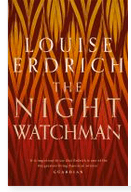 ook: Louise Erdrich, The Night Watchman, a novel based on the life of her grandfather, Patrick Gourneau, who successfully fought to stop the termination of the Turtle Mountain Chippewa tribe by the United States Senate in the 1950s. Gloriously written, with poetic language, memorable characters embedded throughout.
I tend to immerse myself in books, read them very quickly and then regret when they’re finished, as if I’ve lost a good friend.
All of the above HIGHLY RECOMMENDED. Joyous reading!






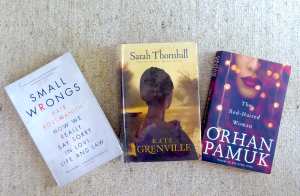 Small Wrongs was also about big wrongs…that is, major crimes, including murder. The book wrestled with the idea of remorse, what it is and when it happens. According to a New South Wales Judicial Commission official, “Remorse is very important for prisoners because, if they feel genuine remorse, they’re more likely to address their offending behavior and produce positive results during the various prison rehabilitation programs” ( p. 119). But what is “genuine” remorse? And who decides if it is genuine?
 Tracking the Human: nobody's a long time